
The Panipuri Obsession: Why This 2,000-Year-Old Snack Is Still India’s “National Emotion”
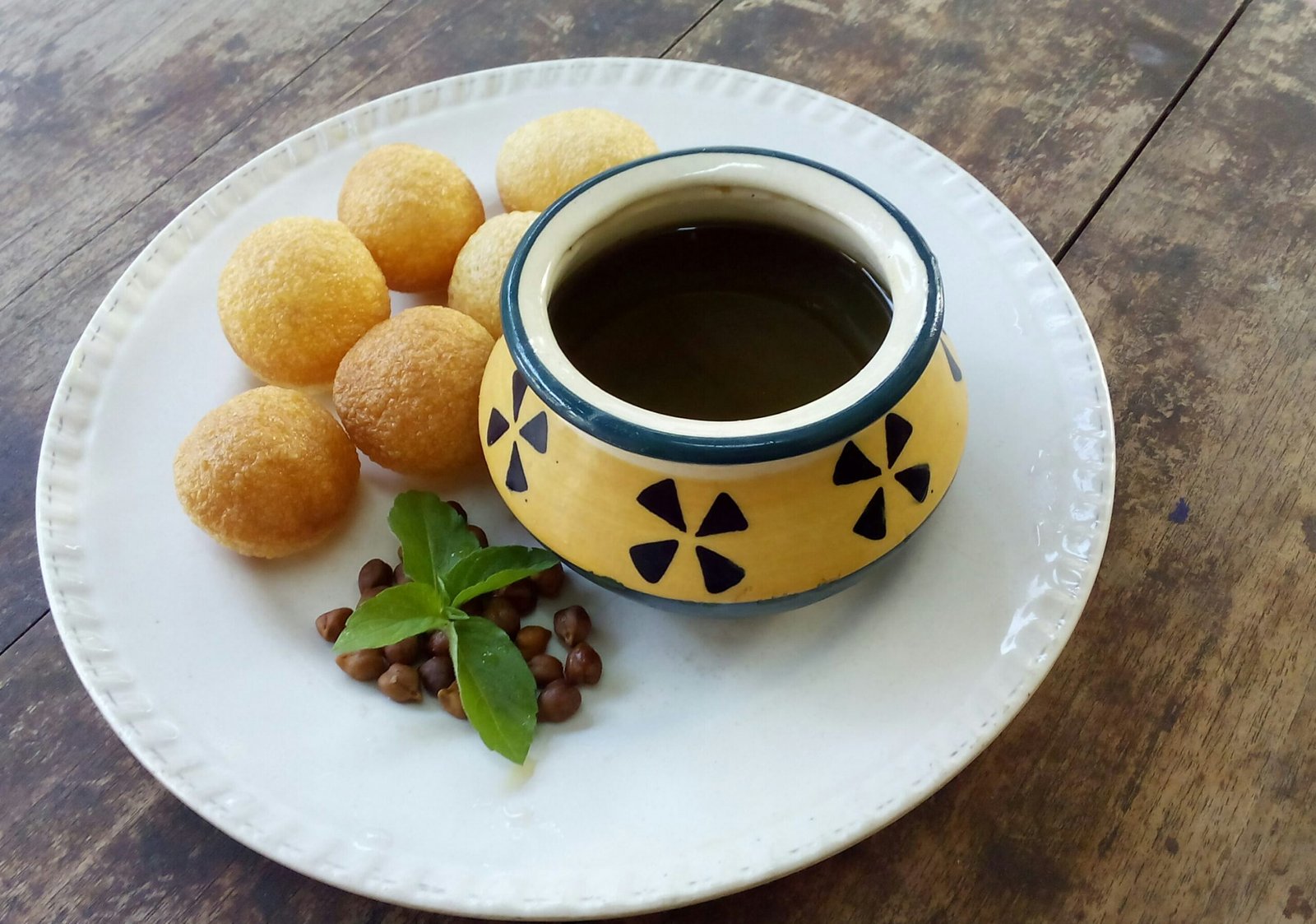
Understanding the history of Panipuri is essential if you want to truly know the taste of India.
It is the ultimate street food magic trick: a hollow, golden-fried sphere (the puri) punched open with a thumb, stuffed with spiced potatoes and chickpeas, and finally dunked into a pot of chilled, tangy tamarind water.
You don’t just eat it; you survive it. That explosion of spicy, sweet, and sour liquid inside your mouth is an experience that unites everyone from Mumbai billionaires to students in rural Bihar.
But how did this simple water-ball become South Asia’s favorite addiction? The answer is a mix of ancient history, confusing names, and a global takeover.
History of Panipuri: Did Draupadi Invent It?
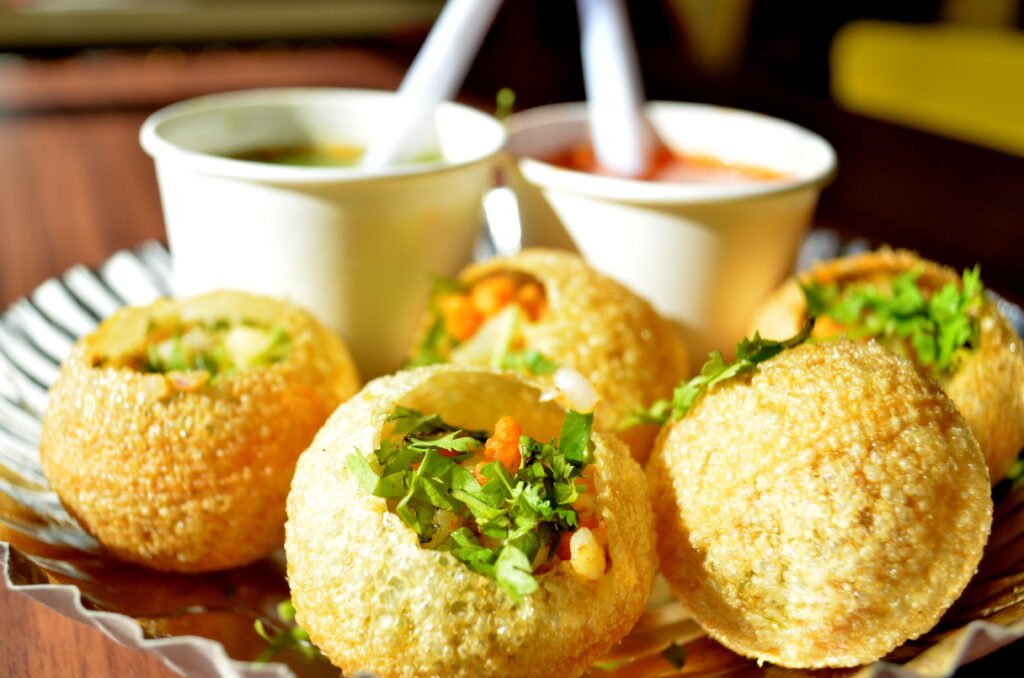
While we crunch on them today for ₹20 a plate, the origins of Panipuri go back to the ancient Kingdom of Magadha (modern-day Bihar).
There is even a legend from the Mahabharata. The story goes that Draupadi, the wife of the Pandavas, was given a challenge by her mother-in-law, Kunti. With only some leftover potato masala and dough for one puri, she had to feed all five husbands. Draupadi got creative, making small, hollow puris to stretch the filling—and thus, the “Phulki” (early Panipuri) was born.
Whether you believe the myth or the historians, one thing is clear: this snack has survived empires.
One Snack, Many Variations of Panipuri
Travel 100 kilometers in India, and the language changes. Travel 500 kilometers, and the Panipuri changes.
- The Phuchka (East India): In Bengal and Bihar, it’s not just a snack; it’s a religion. The shell is larger and darker, and the filling is often “Ghugni” (spiced peas) rather than just potatoes.
- The Golgappa (North India): In Delhi and UP, it’s all about the “Pani.” The water is usually minty and super spicy, often served with a side of potato mash.
- The Gupchup (Odisha/Hyderabad): The name literally mimics the sound of the shell cracking in your mouth (Gup) and the silence of savoring it (Chup).
The history of Panipuri is now going global: From Varanasi to Tokyo
Panipuri is no longer just an Indian secret. It has gone viral.
In 2023, Japanese Prime Minister Fumio Kishida was spotted enjoying Panipuri during his India visit, a moment that Prime Minister Narendra Modi proudly shared on X (Twitter). Even Japan’s Ambassador, Hiroshi Suzuki, was seen hunting for the best street food in Varanasi.
It’s not just diplomats. In Budapest, Hungary, university students were recently filmed trying the spicy snack for the first time, while in the UK, the Indian-owned “Curry Corner” racked up 3.9 million views on Instagram just by handing out free plates to confused but delighted locals.
Breaking the “Gender” Stereotype
Looking at the history of Panipuri, we see it was never just a girl’s snack. You’ll often hear jokes about women flocking to stalls while men stand back.
The reality? That’s nonsense. Food has no gender. From high-profile male YouTubers to office workers looking for a spicy kick after a boring meeting, Panipuri is the great equalizer. The only barrier isn’t gender—it’s whether you can handle the spice level.
The Future is Fusion
Purists might hate it, but Panipuri is evolving. We now have “Mexican Panipuri” filled with salsa, “Italian Panipuri” with pizza sauce, and even chocolate versions (yes, really).
But no matter how fancy it gets, nothing beats standing on a dusty roadside, holding a steel bowl, and signaling the bhaiya (vendor) for “one more sukha puri” to end the meal.
From the ancient kingdom of Magadha to the streets of London, the history of Panipuri proves that this snack is timeless. Whether you call it Golgappa, Puchka, or Pani Ke Patashe, the emotion remains the same. So the next time you eat one, remember—you are biting into 2,000 years of tradition.
Read more about our story at The Tiny Feed.
(An earlier version of this article was published on Global Voices by the author Abhinash Das.)