Meta Automated Bans: How the Algorithm is Silencing Voices
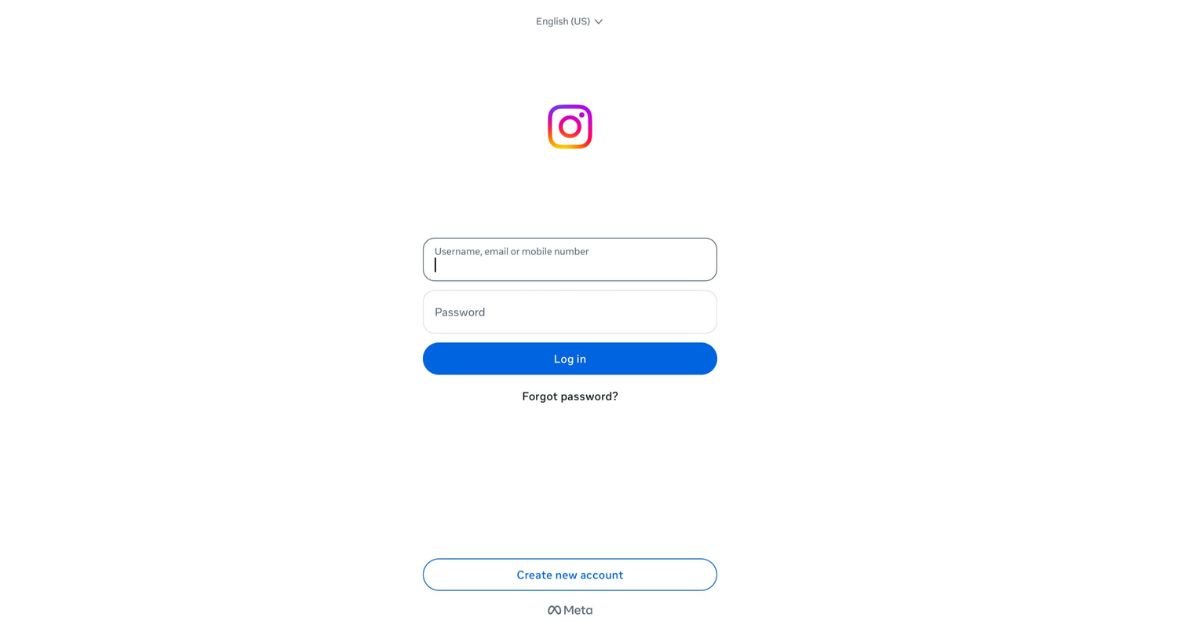
Recently, an increasing number of users are facing Meta automated bans without any clear reason. The contemporary digital town square is increasingly centralized, dominated by a handful of social media giants. Among the most popular are Meta‘s Facebook and Instagram, which together serve billions globally. These platforms are used daily by people not merely for sharing photos and personal moments, but also for exchanging ideas, building communities, growing businesses, and fostering understanding across diverse populations worldwide.
While millions of human users populate these social media spaces, the platforms themselves are strictly controlled by opaque algorithms and automated systems. The increasing severity of these AI-powered systems is now causing unprecedented harm—a phenomenon since July 2025, dubbed ‘The Meta Ban Wave.’ This wave has seen countless users lose their accounts, often in error, resulting in the instantaneous erasure of years of digital history and valuable data.
What’s in this guide:
A Vague process
Facebook and Instagram rely on automated tools to tackle malicious content such as hate speech, scams, and pornography. The foundation of this system changed in May 2025 when Meta announced the implementation of a complete automated content monitoring system intended to improve risk assessment. Throughout the year, this automated process was dramatically enhanced to specifically prioritize the removal of child exploitation material. While aiming for safety, this intensified effort has resulted in the deletion or suspension of thousands of innocent accounts without clear justification.
Automated account suspensions have long been a feature of Meta platforms. However, since July 2025, these automated enforcement mechanisms have gone haywire, impacting millions globally. Users are frequently subjected to sudden bans with no clear justification. The impact spans beyond individual users, affecting small businesses, artists, activists, and Meta Verified accounts alike, resulting in the instantaneous loss of years of valuable data and digital history.
@Supplementaries, the highly popular Minecraft modification group with over 150 million downloads, used X (formerly Twitter) to protest what they described as the wrongful flagging and erasure of their Instagram account and general AI censorship practices by the platform.
Reporting on platform dysfunction, The Guardian highlighted several cases of wrongful suspension. Sam Enticknap, a makeup artist based in Western Australia, lost her Instagram account of 48,000 followers without notice, severely damaging her business, while Meta’s support proved ineffective.
Similarly, in New Zealand, disability advocate Blake Forbes had his Facebook account taken down for a “community policy” breach, shortly after he criticized a government policy post. Further illustrating the crisis, the Australian Broadcasting Corporation (ABC) reported how numerous Meta users felt devastated after losing years of memories and being falsely accused of posting child exploitation material (CEM). Writing on Medium, Abdul Rahman Ahmed detailed how Meta’s systems severely damaged his reputation, voice, and business by falsely accusing him of child sexual exploitation (CSE) offenses.
What is causing these Meta automated bans?
The primary driver behind account suspensions is Instagram’s automated moderation system. This system utilizes sophisticated algorithms and bots designed to continuously scan content for violations of the platform’s community guidelines. While intended to maintain policy compliance at scale, a significant and deeper problem exists: erroneous bans are frequently issued without prior warning to legitimate users.
When an account is suspended, users are typically directed to an automated appeal system that notably lacks human support or review. Numerous reports indicate that even when users provide valid justifications or evidence proving they did not commit an offense, the automated system often rejects the appeal. This rejection usually leads to a permanent ban and eventual deletion of the account, resulting in the instantaneous loss of years of valuable data and memories.
Compounding the problem are cases of malicious mass reporting. In these instances, a coordinated network of accounts—often operated by organized bots—is deployed to target a specific profile. By generating a high volume of simultaneous violation reports, the targeted account can be instantly suspended, exploiting a vulnerability in the platform’s trust-and-safety mechanisms.
Coordinated mass reporting, often executed by a regulated network of automated bots, can result in the swift and immediate suspension or permanent ban of a target account. These automated tools are specifically designed to overwhelm platform moderators by submitting a massive, simultaneous volume of false or malicious reports against a single profile. This technique is frequently exploited by bad actors and small-scale criminal enterprises globally to silence rivals or enforce extortion. Furthermore, the accessibility of these destructive mechanisms is high, with numerous Instagram mass reporting tools and extensions readily available on platforms like the Chrome Web Store. Publicly accessible source code for reporting scripts is also commonly distributed on developer repositories, such as GitHub, making them widely available for misuse.
The current state of the appeal system—being largely automated and non-responsive—is creating immense distress. Victims of these unfair and instantaneous bans are left with little recourse, losing their digital footprint and years of personal history with no available options for data recovery or backup.
Meta’s take on the issue

However, even after these automated bans and mistakes the community standards enforcement of meta says that the mistakes have been reduced by a large amount and they are valuing more speech. Similarly, Meta had taken actions in the past against coordinated “reporting” and “Brigading” accounts – but sadly that malpractice is still ongoing on their platforms.
Many journalists, analysts and meta users consistently point for these erroneous bans to Meta’s increasing use of AI moderators to run the platform. When the content is flagged inappropriate by an AI system and also the initial appeal is also reviewed by the same automated system, users are forced to be in a self-perpetuating loop of rejection.
Many reports and users also note that having a meta verified account is the only way to get a faster communication with a human reviewer to restore a wrongfully banned account. This creates a two tired system, disadvantageous to normal users or non-commercial people who can’t afford or not chosen to pay. However, many Meta users also claimed that even paid verified support is also useless in the ongoing mass bans.
In July 2025, Meta experienced a severe backlash in South Korea following the mysterious and mass suspension of numerous Instagram and Facebook accounts. The crisis was exacerbated by reports that Meta’s automated systems had falsely flagged some users for Child Sexual Exploitation (CSE) content violations, despite users reporting no such activity. Heo Ouk, Meta Korea’s Public Policy Director, publicly acknowledged a technical error and pledged to escalate the issue to the headquarters for urgent review and resolution.
Aftermath of a ban?
Upon an account suspension, the Instagram profile is immediately removed from public view. The affected user is directed to an automated appeal process; if this initial appeal is rejected, the account is subsequently scheduled for permanent deletion within 180 days. These bans are not always isolated and can sometimes extend to associated Meta properties, including Facebook and Threads. Compounding the issue is the notoriously inefficient appeal system, where responses can be delayed for months. For many users—especially digital creators, activists, and small businesses—this sudden ban constitutes an immediate, catastrophic disruption of their livelihood and audience access.
Implications on a multilingual web
A 2025 study published by Cambridge University Press highlights that challenges to a truly multilingual web regarding social media content moderation are primarily specific and resource-based, systematically disadvantageous to users outside Western contexts.
The core issue lies in data and research disparity. Low-resource languages lack the essential foundation of extensive digitized content and well-funded computational research required to train effective Natural Language Processing (NLP) and Machine Translation (MT) models used for accurate content moderation. This deficit cripples the platform’s ability to handle global content equitably.
The report also says that the primary challenge to a fair multilingual web lies in algorithmic bias stemming from unequal investment. Tech platforms prioritize high-resource languages (like English) in AI training due to available data, causing systems to fail when moderating minority or local languages.
This performance gap means AI lacks the contextual awareness to interpret cultural nuances, local idioms, or reclaimed slurs, resulting in high rates of false positives that wrongfully suppress legitimate speech. This underinvestment particularly amplifies the spread of hate speech and misinformation in non-Western markets, especially the Global South.
A global petition
In response to these unfair account suspensions, the non-profit organization People Over Platforms Worldwide launched a petition on Change.org, the world’s largest petition platform. The campaign, titled “Hold META Accountable”, specifically demands action against the disabling of accounts without adequate human support. The petition has quickly garnered significant public support, collecting over 50,000 signatures.
As the People Over Platforms writes “When automated systems silence, exploit and erase the very people they claim to connect , it’s not innovation, it’s injustice.”
Read more tech analysis and digital rights issues on The Tiny Feed.